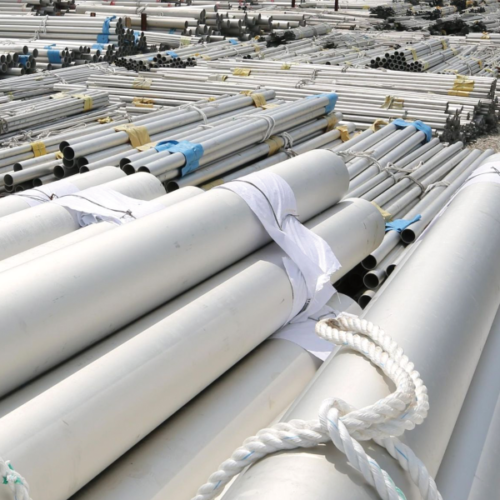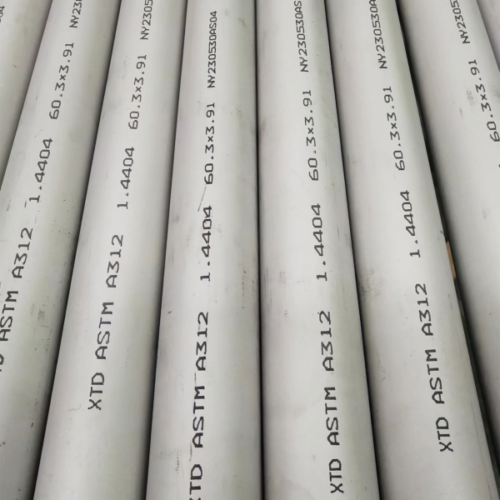

254SMO (UNS S31254) Seamless Stainless Steel Pipe- High-Alloy Super Austenitic Solution
Overview of 254SMO Seamless Pipe
254SMO (UNS S31254) is a high-end super austenitic stainless steel engineered for maximum resistance to pitting and crevice corrosion. With a 6% Molybdenum content and nitrogen enrichment, this grade provides a PREN (Pitting Resistance Equivalent Number) of ≥ 42.5, making it far superior to conventional 300-series and even some duplex alloys in aggressive chloride environments.
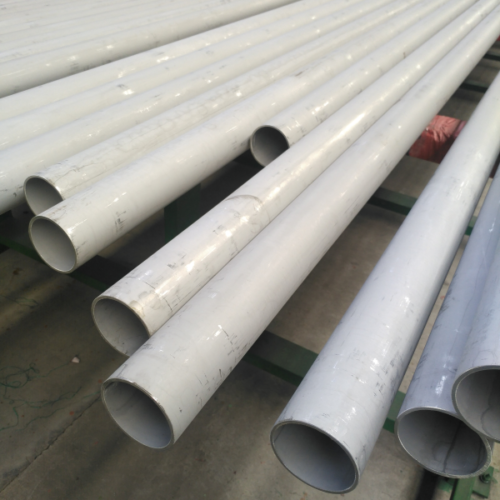
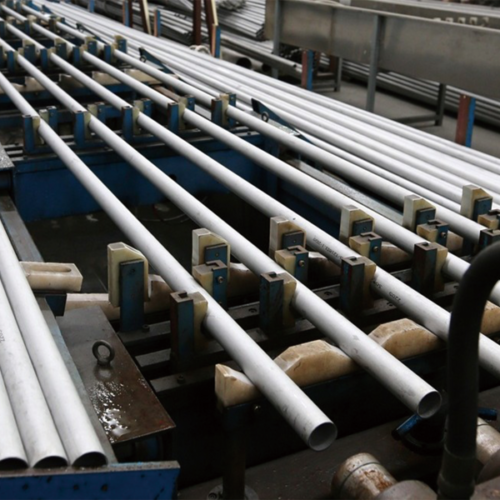
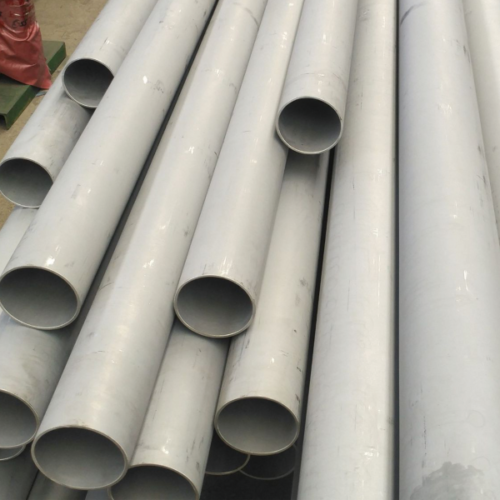
As a leading supplier, we provide 254SMO seamless pipes that combine exceptional mechanical strength with outstanding lifecycle cost-efficiency. Our seamless manufacturing process ensures uniform wall thickness and enhanced pressure-retaining capabilities, critical for high-integrity applications in marine, chemical, and offshore industries.
Product-Specific Standards for Seamless Pipe
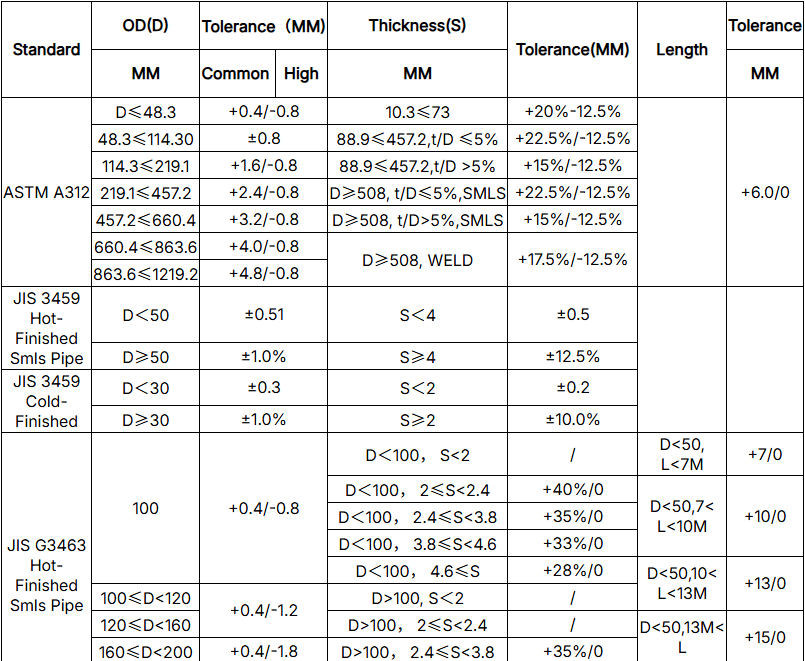
The manufacture and application of 254SMO seamless pipes and tubes are governed by stringent industry standards to ensure quality, reliability, and safety. The primary American Society for Testing and Materials (ASTM) and American Society of Mechanical Engineers (ASME) specifications include:
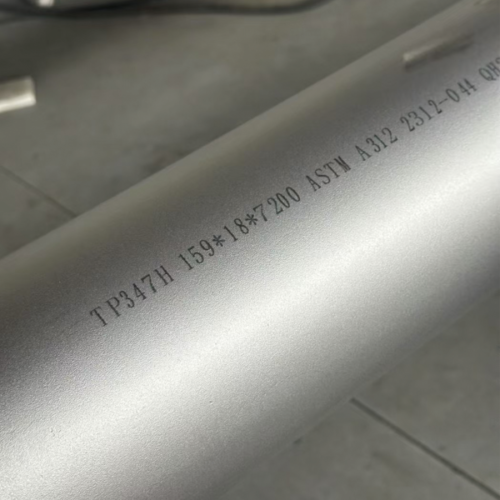
ASTM A312 / ASME SA312: Standard specification for seamless and welded austenitic stainless steel pipes.
ASTM A213 / ASME SA213: For seamless ferritic and austenitic alloy-steel boiler, superheater, and heat-exchanger tubes.
ASTM A269: Seamless and welded austenitic stainless steel tubing for general service.
Pressure Compliance: Approved by the ASME Boiler and Pressure Vessel Code (Section VIII, Division 1) for reliable use in high-pressure operational environments.
The specific role of each key element is critical to understanding the alloy’s overall performance:
- Chromium (Cr): At 19.5% to 20.5%, chromium is the primary element responsible for forming the passive oxide layer on the steel’s surface, which provides foundational corrosion resistance.
- Nickel (Ni): With a high content of 17.5% to 18.5%, nickel stabilizes the austenitic crystal structure. This imparts the material with exceptional ductility, toughness, and, most importantly, provides superior resistance to chloride-induced stress corrosion cracking (SCC) compared to standard 300-series grades.
- Molybdenum (Mo): The”super”element, with its high content of 6.0% to 7.0%, is the single most important factor for enhancing pitting and crevice corrosion resistance. This is particularly effective in halide environments, such as those with high concentrations of chlorides.
- Nitrogen (N): The addition of nitrogen (0.18% to 0.25%) serves a dual purpose. It works synergistically with molybdenum to significantly boost pitting resistance, and it also contributes to the material’s high mechanical strength.
- Copper (Cu): The addition of copper (0.50% to 1.00%) improves the alloy’s resistance to sulfuric acid and other non-oxidizing acids.The low carbon content (<0.020%) is also a vital feature, as it minimizes the risk of carbide precipitation during heating, which could otherwise lead to intergranular corrosion, especially in the heat-affected zone of welds.

Stainless Steel TP317L is specifically designed to maintain its strength and shape in high-stress, corrosive environments.

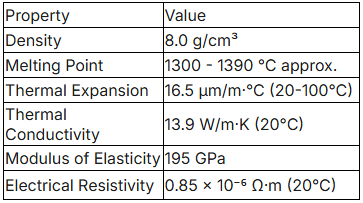
These physical properties highlight the material’s ability to perform reliably under a wide range of conditions.
Quantitative Defense: Pitting and Crevice Corrosion Resistance
The most compelling aspect of 254SMO is its verifiable, data-driven corrosion resistance. This performance is predicted by the Pitting Resistance Equivalent Number (PREN), which quantifies an alloy’s resistance to pitting based on its chemical composition. The standard formula is:
PREn=%Cr+3.3×%Mo+16×%N.
Chemical Processing and Industrial Applications
254SMO is highly valued in industrial settings with aggressive chemical media.
- Pulp and Paper Industry: It is widely used in bleach plants and digesters where components are exposed to aggressive chemicals like chlorine dioxide and sodium hydroxide.
- Air Pollution Control: Seamless pipes and tubes are used for critical components in flue gas desulfurization (FGD) scrubbers, which operate in highly acidic and corrosive environments.
- General Chemical Processing: The material is a staple for equipment handling aggressive acids and high-purity chemicals, including reactors, heat exchangers, and process piping systems.
Conclusion
A312 254SMO Seamless Stainless Steel Pipe and tube represents a pinnacle of material engineering, offering an unparalleled blend of corrosion resistance and mechanical strength. Its strategic alloy composition, particularly the high levels of molybdenum and nitrogen, provides a quantitative and verifiable advantage against pitting, crevice corrosion, and stress corrosion cracking in aggressive environments. When manufactured in a seamless form, the material’s inherent structural integrity is fully realized, providing a product with uniform strength and enhanced pressure capacity, free from the inherent weaknesses of a welded seam. For industries such as marine and offshore engineering, chemical processing, and oil and gas, where system integrity is non-negotiable, 254SMO seamless pipe and tube is not simply a material choice; it is a fundamental component of a reliable and safe operational strategy.