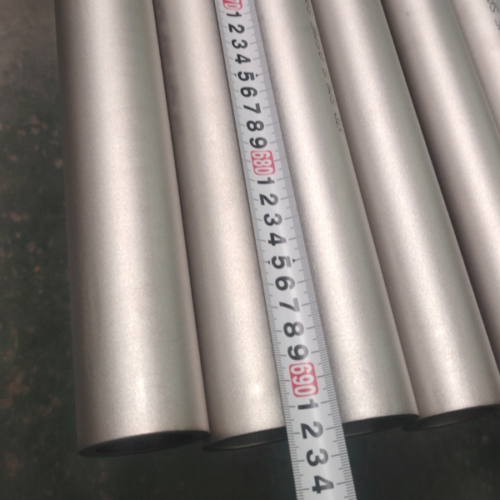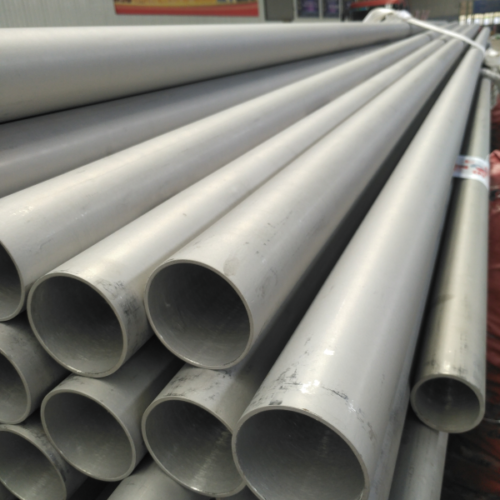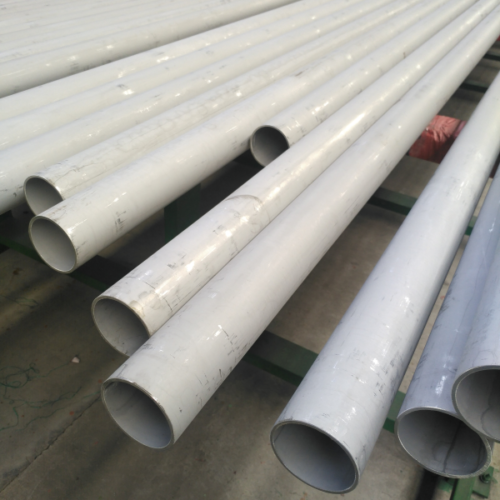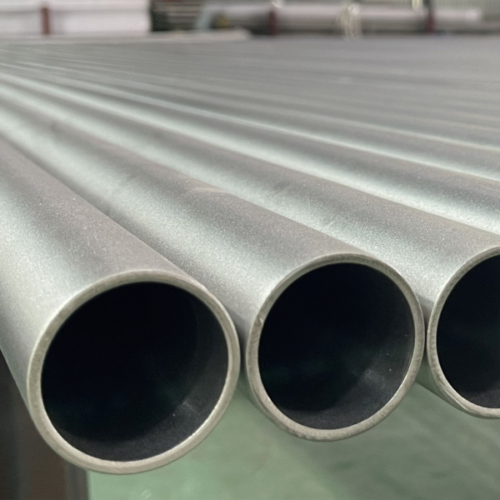

TP316L Stainless Steel Seamless Pipe (UNS S31603) – Low-Carbon, Corrosion-Resistant Solution for Critical Applications
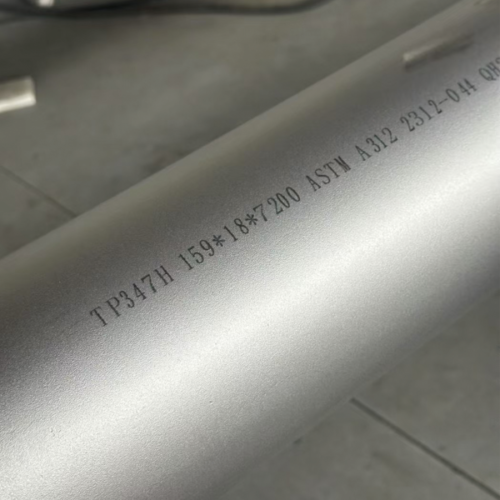
TP316L stainless steel Seamless pipe (UNS S31603) is an extra-low carbon, molybdenum-bearing austenitic stainless steel pipe engineered for high-corrosion and welded structural environments.
Manufactured using a seamless extrusion process, TP316L pipes offer uniform microstructure, superior pressure resistance, and elimination of weld seam defects, making them ideal for critical industrial systems.
The defining feature of 316L stainless steel is its maximum carbon content of 0.03%, which effectively prevents sensitization—the formation of chromium carbides at grain boundaries during welding. This ensures full corrosion resistance is retained even in the heat-affected zone (HAZ).
Key Performance Advantages
Exceptional Resistance to Pitting and Crevice Corrosion
The addition of 2.0% – 3.0% molybdenum (Mo) significantly enhances resistance to localized corrosion, particularly in chloride-rich environments such as seawater, brines, and chemical media.
Resistance to Sensitization (Low-Carbon Advantage)
The ultra-low carbon composition eliminates carbide precipitation during welding, ensuring long-term intergranular corrosion resistance without post-weld heat treatment.
Seamless Structural Integrity for High Pressure
Seamless construction ensures consistent wall thickness and mechanical properties, enabling higher allowable stresses in accordance with ASME pressure design codes.
Superior Weldability and Fabrication
TP316L can be readily welded and formed using standard industrial processes without compromising corrosion performance.
Hygienic and High-Purity Surface Finish
Smooth, oxide-free internal surfaces support cleanability and sterilization, making TP316L a preferred material for pharmaceutical, biotech, and food-grade systems.
Product Specifications and Data
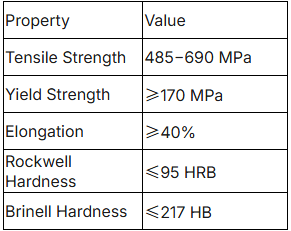
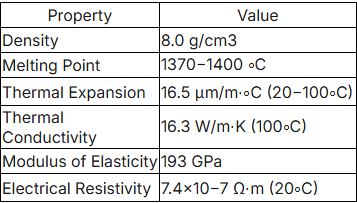
To provide a comprehensive overview of this high-performance material, here are the detailed technical specifications and performance data for TP316L stainless steel.
The key difference in 316L’s composition is its significantly lower carbon content (max 0.03%), while retaining the essential molybdenum for superior corrosion resistance.
Grade316L offers a good balance of strength and ductility, with a slightly lower tensile and yield strength compared to 316 due to its lower carbon content, but still robust for most demanding applications.
These physical properties are largely similar to 316, indicating consistent thermal and electrical behavior.
Common Industrial Applications
TP316L seamless stainless steel pipes are widely used in industries requiring high corrosion resistance and weld integrity:
Marine & Offshore Engineering
Seawater piping systems, desalination plants, offshore structures
Chemical & Petrochemical Processing
Handlingchlorides, acids, and aggressive process fluids
Pharmaceutical & Biotechnology
CIP/SIP systems, WFI (Water for Injection)pipelines
Food & Beverage Industry
Processing of acidic and saline products
Pulp & Paper Industry
Bleaching equipment and chemical recovery systems
Dimensional Tolerances and Standards
TP316L seamless pipes are produced in compliance with global dimensional standards for precise engineering fit:
- ASTM A312 / ASME SA312 – Seamless stainless steel pipes
- EN 10216-5 – Seamless pressure tubes
- JIS G3459 – Stainless steel pipes
Typical tolerance ranges include:
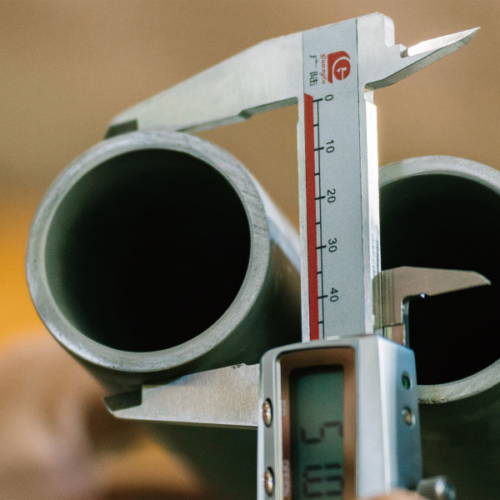
- Outer Diameter (OD): ±0.4 mm to ±1.6 mm (depending on size)
- Wall Thickness (WT): +15% / -12.5% (typical ASTM range)
Quality Assurance, Testing & Certification
Each TP316L seamless pipe is delivered with full traceability and strict quality control:
Certification
- EN 10204 3.1 / 3.2 Material Test Certificates (MTC)
Non-Destructive Examination (NDE)
- 100%Ultrasonic Testing (UT)
- 100%Eddy Current Testing (ET)
- Hydrostatic Testing
Material Verification
- Positive Material Identification (PMI)
Corrosion Testing
- Intergranular Corrosion (IGC) test per ASTM A262 Practice E
Mechanical Testing
- Flattening, flaring, bend, hardness, and impact testing
Third-Party Inspection
Available from SGS, BV, TUV, ABS, or other accredited bodies