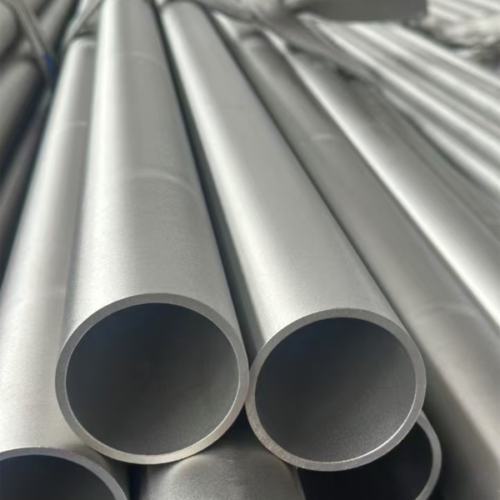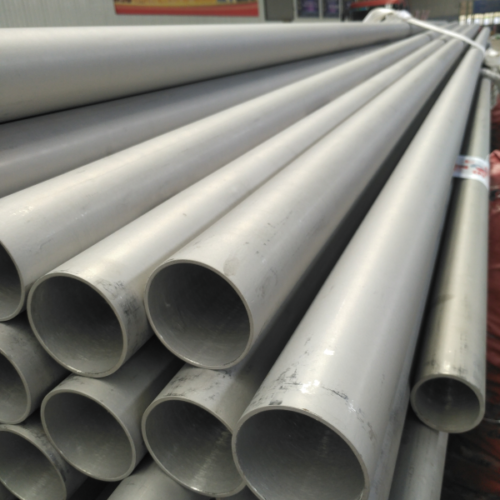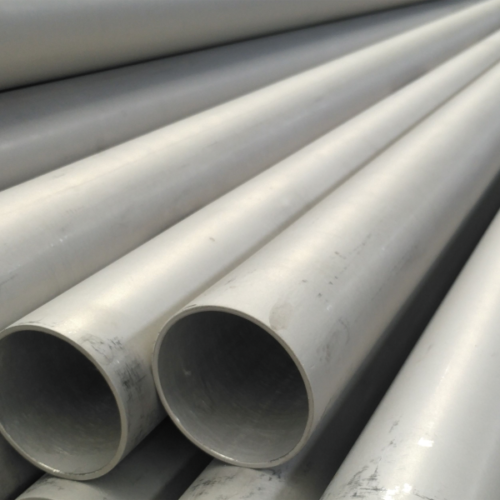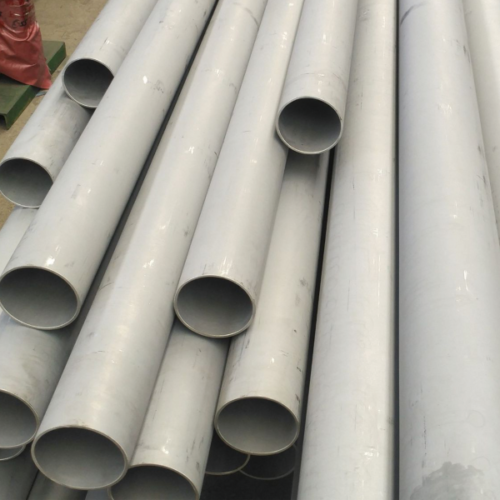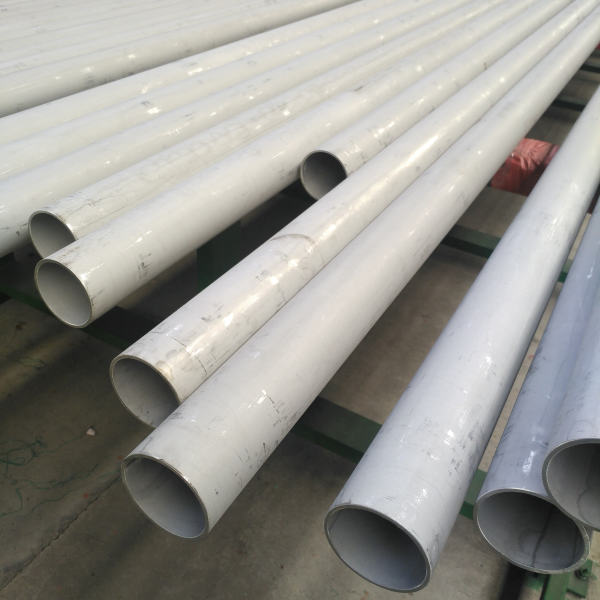


Seamless Stainless Steel TP317 Pipe

Seamless Stainless Steel TP317 Pipes (UNS S31700 / W.Nr. 1.4449) are high-performance austenitic solutions specifically engineered for superior resistance to localized chemical attack and pitting in aggressive environments. As a premier manufacturer based in Wenzhou, China, XinZhe produces high-integrity seamless piping that strictly complies with ASTM A312, ASTM A213, and ASME SA312 international standards.

Distinguished by its increased Molybdenum (3% min) content, our TP317 tubing offers enhanced mechanical properties and superior corrosion resistance compared to standard 316 grades, particularly in acidic chloride environments and sulfur-bearing media. These pipes are indispensable for mission-critical applications in flue gas desulfurization (FGD), chemical reactors, and pulp and paper processing. Through advanced cold-drawing and precise solution annealing, XinZhe ensures every pipe maintains a uniform microstructure and optimized tensile strength for the most demanding industrial environments.

PREN ≈ 28-30 ,higher than TP316L PREN 24-25
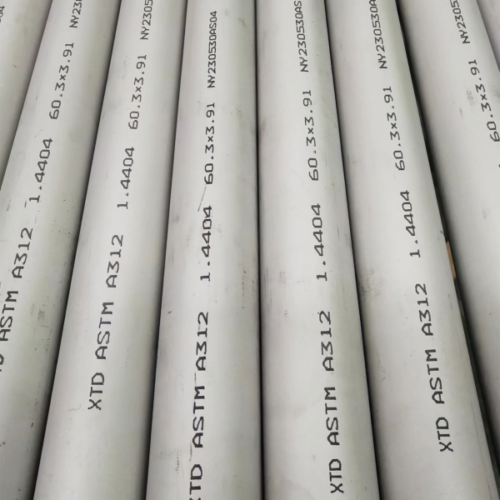
Seamless Stainless Steel TP317 Pipe

ASTM A312 TP317 Pipe | UNS S31700 / EN 1.4449 Manufacturer

Product Overview

Seamless Stainless Steel TP317 Pipe (UNS S31700 / EN 1.4449) is a high-alloy austenitic stainless steel pipe engineered for high-pressure and highly corrosive industrial environments.

Manufactured from a solid billet through a seamless process, TP317 pipes feature:

  • No longitudinal weld seams
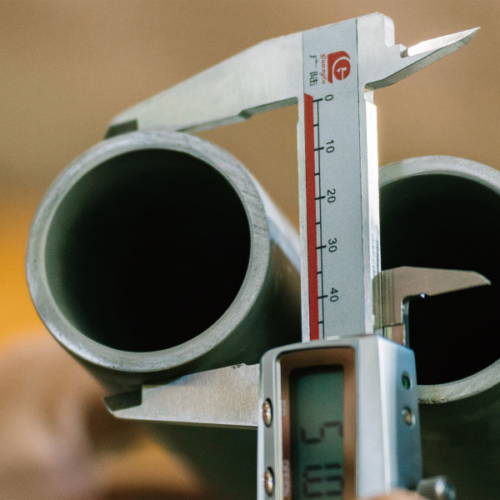
  • Uniform wall thickness
  • Enhanced structural integrity
  • Higher pressure-bearing capacity

Compared to welded pipes, TP317 seamless pipes provide greater safety, reliability, and longer service life in critical applications.


Why Choose TP317 Seamless Pipe?

High Molybdenum Content (≥ 3.0%)

Improves resistance to:

  • Pitting corrosion
  • Crevice corrosion
  • Chloride-induced attack

Upgraded Alternative to 316 / 316L

TP317 offers superior performance compared to standard 316 grades:

  • Better resistance to sulfuric and phosphoric acids
  • Improved durability in aggressive chemical environments

High Structural Reliability

Seamless construction eliminates weld defects, ensuring:

  • Higher allowable design pressure
  • Reduced failure risk in fluid systems

Excellent Fabrication & Weldability

  • Good ductility for bending and forming
  • Compatible with standard industrial welding methods

Key Advantages of TP317 Stainless Steel Pipe

1. Superior Corrosion Resistance

Performs exceptionally well in:

  • Chloride-rich environments
  • Sulfuric acid systems
  • Phosphoric acid processing

2. High Pressure & Mechanical Strength

  • No weld seam weak points
  • Suitable for critical pipelines and pressure systems

3. Long Service Life

  • Reduced maintenance costs
  • Improved lifecycle performance in harsh conditions

Product Specifications and Data

To provide a comprehensive overview of this high-performance material, here are the detailed technical specifications and performance data for TP317 stainless steel.

The composition of Stainless Steel 317 is carefully balanced to achieve its superior corrosion resistance and high strength.

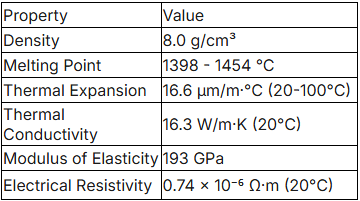
Stainless Steel 317 is specifically designed to maintain its strength and shape in high-stress, corrosive environments.

These physical properties highlight the material’s ability to perform reliably under a wide range of conditions.

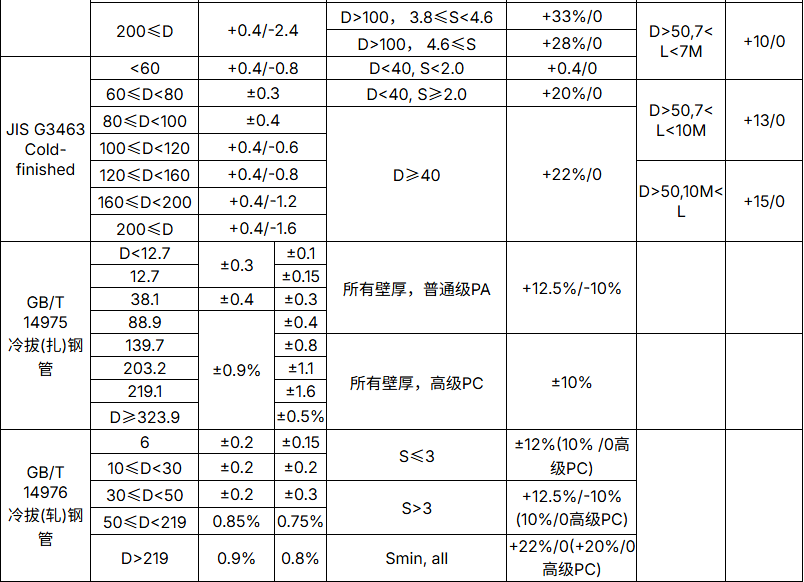
Manufactured according to international standards:

  • ASTM A312
  • ASME SA312
  • JIS G3459
  • EN 10216-5
  • GB/T 14976

Common Industrial Applications

TP317 seamless stainless steel pipes are widely used in:

Chemical & Petrochemical Industry
  • Acid transport systems
  • Reactors and pressure vessels
Pulp & Paper Industry
  • Bleaching equipment
  • Sulfite liquor handling
Marine & Offshore Engineering
  • Seawater cooling systems
  • Desalination plants
Textile Industry
  • Dyeing and chemical treatment systems
Food & Beverage Industry
  • Acidic processing pipelines
  • Hygienic fluid transfer systems

Manufacturing Process

The TP317 seamless pipe production process includes:

  1. Billet Heating
  2. Piercing (hollow tube formation)
  3. Cold Drawing / Hot Finishing
  4. Solution Annealing (≥1040°C, rapid quenching)
  5. Straightening & Surface Finishing

Quality Assurance & Inspection

100% Inspection Procedures

Non-Destructive Testing (NDT)

  • PMI (Positive Material Identification)
  • Eddy Current Testing (ET)
  • Ultrasonic Testing (UT)
  • Hydrostatic Pressure Testing

Mechanical Testing

  • Flattening Test
  • Flaring Test
  • Hardness Test

Corrosion Testing

  • Intergranular Corrosion (IGC) Test
  • Pitting Resistance Test