
Seamless Hastelloy C276 Pipe-Nickel-Molybdenum-Chromium Alloy Pipe for Extreme Corrosion Environments
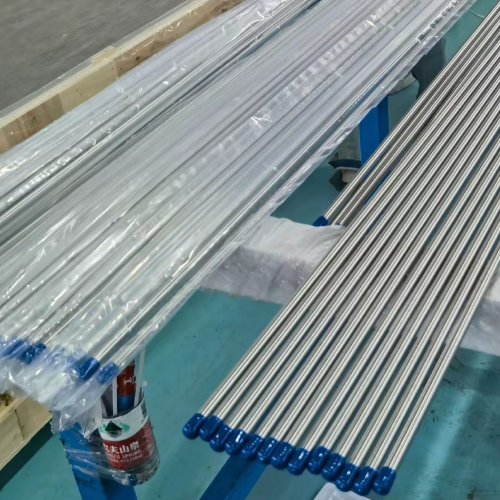
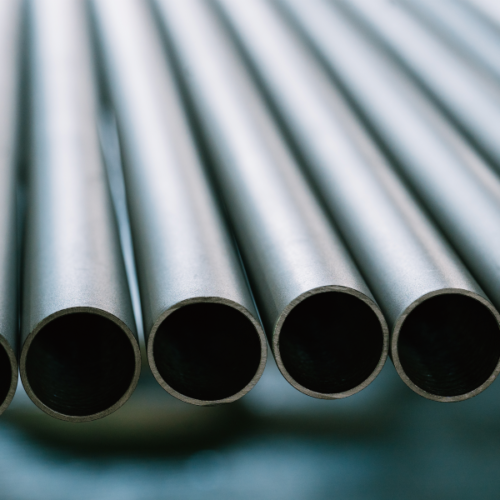
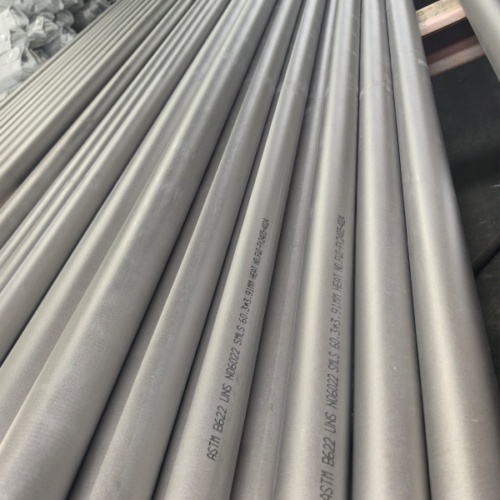
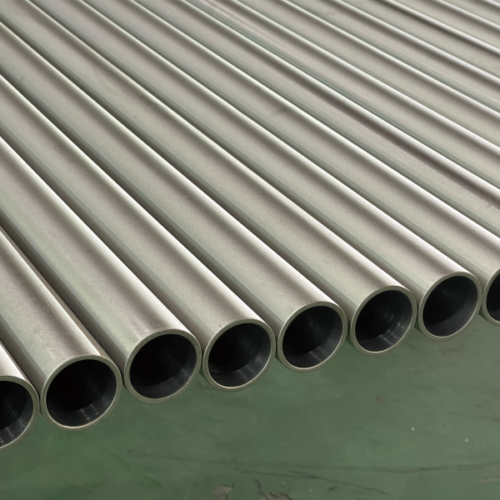
ASeamless Hastelloy C276 Pipe (UNS N10276 / W.Nr. 2.4819) is a high-performance nickel-molybdenum-chromium superalloy pipe designed for use in extremely aggressive chemical environments.
The pipe is manufactured from a single solid billet using seamless forming processes, eliminating longitudinal weld seams. This seamless structure provides superior mechanical integrity, higher pressure resistance, and enhanced corrosion reliability compared with welded pipes.
Hastelloy C276 is distinguished by its optimized composition of:
- Nickel (Ni)
- Molybdenum (Mo)
- Chromium (Cr)
- Tungsten (W)
This alloy chemistry enables outstanding resistance to a wide variety of oxidizing and reducing chemical environments, including:
- Ferric and cupric chlorides
- Contaminated organic and inorganic media
- Chlorine gas and chlorine compounds
- Formic and acetic acids
- Seawater and brine solutions
Due to this exceptional corrosion resistance, Hastelloy C276 seamless pipes are widely used in chemical processing, pollution control, offshore engineering, and high-corrosion industrial systems.
Key Features of Seamless Hastelloy C276 Pipes
Exceptional Corrosion Resistance
Hastelloy C276 offers outstanding resistance to:
- Pitting corrosion
- Crevice corrosion
- Chloride-induced stress corrosion cracking (SCC)
This makes it one of the most reliable materials for highly corrosive chemical process environments.
Resistance to Strong Oxidizing Media
C276 is one of the few alloys capable of resisting aggressive oxidizing chemicals such as:
- Wet chlorine gas
- Hypochlorite solutions
- Chlorine dioxide
These properties make it particularly suitable for bleaching and chemical oxidation processes.
High Temperature Strength
Seamless Hastelloy C276 pipes maintain stable mechanical properties across a wide temperature range, from cryogenic temperatures up to approximately 816°C (1500°F).
Low Carbon Content for Improved Weldability
Theultra-low carbon content minimizes carbide precipitation during welding, ensuring excellent corrosion resistance in the heat-affected zone (HAZ).
Versatile Corrosion Performance
Hastelloy C276 performs reliably in both oxidizing and reducing environments, making it a highly versatile alloy for multi-process chemical plants.
Technical Specifications and Performance Data
Applicable Standards
Seamless Hastelloy C276 pipes are typically manufactured according to:
- ASTM B622 – Seamless Nickel Alloy Pipe
- ASTM B619 – Welded Nickel Alloy Pipe
- ASME SB622 / SB619
These standards define requirements for chemical composition, mechanical properties, dimensional tolerances, and inspection procedures.
Product Specifications and Data
To provide a comprehensive overview of this high-performance material, here are the detailed technical specifications and performance data for Hastelloy C276.
The composition of Hastelloy C276 is carefully balanced to achieve its superior corrosion resistance and high strength.

Hastelloy C276 is specifically designed to maintain its strength and shape in high-stress, corrosive environments.

These physical properties highlight the material’s ability to perform reliably under a wide range of conditions.

Common Industrial Applications
Due to its superior resistance to highly corrosive chemicals, Seamless Hastelloy C276 Pipes are widely used in critical industrial systems.
Chemical Processing Industry
- Reactor vessels
- Digesters
- High-acid process piping
Pollution Control Systems
- Flue Gas Desulfurization (FGD) units
- Chemical scrubbers
- Stack liners
Pulp and Paper Industry
- Bleach plant equipment
- Chlorine dioxide processing systems
Waste Treatment and Environmental Systems
- Hazardous waste incineration equipment
- Evaporators and corrosive waste piping
Oil and Gas Industry
- Sour gas (H₂S) processing equipment
- Downhole tubing and subsea components
Quality Control and Inspection
AllSeamless Hastelloy C276 Pipes undergo comprehensive inspection procedures to ensure compliance with international standards and project specifications.
Material Certification
- EN 10204 3.1 / 3.2 Material Test Certificates (MTC)
Non-Destructive Testing (NDT)
- Ultrasonic Testing (UT)
- Eddy Current Testing (ET)
- Hydrostatic Pressure Testing
Surface and Dimensional Inspection
- Surface roughness verification
- Dimensional tolerance inspection
Advanced Material Testing
- Grain size analysis
- Pitting corrosion testing according to ASTM G48
- 100% Positive Material Identification (PMI)
These quality assurance procedures ensure that every pipe meets strict requirements for safety, durability, and corrosion performance in critical industrial environments.
Hastelloy C276 vs Hastelloy C22 – Material Comparison
Property | Hastelloy C276 (UNS N10276 / 2.4819) | Hastelloy C22 (UNS N06022 / 2.4602) |
Alloy Type | Ni-Mo-Cr-W nickel alloy | Ni-Cr-Mo-W nickel alloy |
Nickel (Ni) | Balance | Balance |
Chromium (Cr) | 14.5 – 16.5 % | 20.0 – 22.5 % |
Molybdenum (Mo) | 15.0 – 17.0 % | 12.5 – 14.5 % |
Tungsten (W) | 3.0 – 4.5 % | 2.5 – 3.5 % |
Corrosion Resistance | Excellent in reducing environments | Superior in oxidizing environments |
Pitting & Crevice Resistance | Very high | Extremely high |
Chloride SCC Resistance | Excellent | Excellent |
Oxidizing Chemical Resistance | Good | Outstanding |
Fabrication & Weldability | Very good | Excellent |
Typical Standards | ASTM B622 / B619 | ASTM B622 / B619 |
Typical Applications | Chemical processing, FGD systems, sour gas | Chlorine processes, pharmaceuticals, specialty chemicals |
Key Differences Between Hastelloy C276 and Hastelloy C22
1. Chromium Content
Hastelloy C22 contains higher chromium (≈20–22%) than C276.
This gives C22 better resistance to oxidizing chemicals, especially:
- Chlorine compounds
- Ferric chloride
- Nitric acid mixtures
2. Performance in Reducing Environments
Hastelloy C276 has higher molybdenum content, which improves performance in strong reducing acids, such as:
- Hydrochloric acid
- Sulfuric acid
- Mixed acidic environments
Because of this, C276 is widely used in chemical reactors and acid-processing equipment.
3. Pitting and Crevice Corrosion
Both alloys offer excellent protection against localized corrosion, but C22 generally performs slightly better in extremely aggressive mixed chemical environments.
4. Versatility in Chemical Plants
- Hastelloy C276 is often called a “universal corrosion-resistant alloy” for general chemical service.
- Hastelloy C22 is considered an upgrade for highly oxidizing or mixed acid environments.
When to Choose Hastelloy C276
Hastelloy C276 is typically selected for:
- Chemical reactors
- Flue Gas Desulfurization (FGD) systems
- Pulp & paper bleaching equipment
- Sour gas (H₂S) oil and gas systems
- Waste treatment and incineration plants
When to Choose Hastelloy C22
Hastelloy C22 is preferred for:
- Chlorine processing plants
- Pharmaceutical and specialty chemical equipment
- Mixed oxidizing chemical systems
- Pollution control equipment exposed to aggressive chemicals