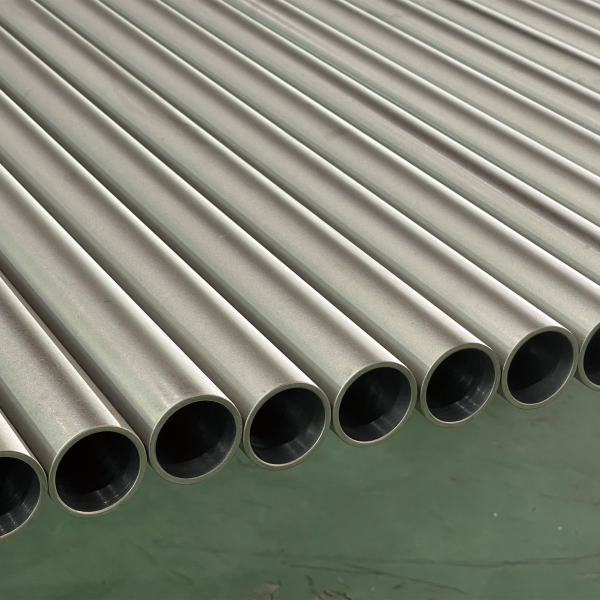
Seamless Hastelloy B3 Pipe (UNS N10675): Properties, Specifications, and Industrial Applications
Introduction to Hastelloy B3
Hastelloy B3 (UNS N10675) is a high-performance nickel-molybdenum superalloy specifically developed to provide exceptional resistance to hydrochloric acid (HCl) and other strongly reducing chemical environments.
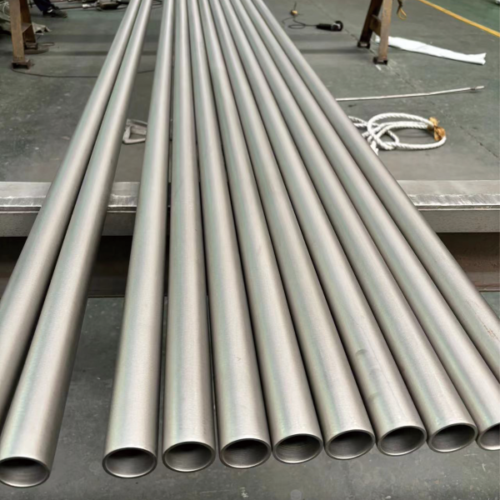
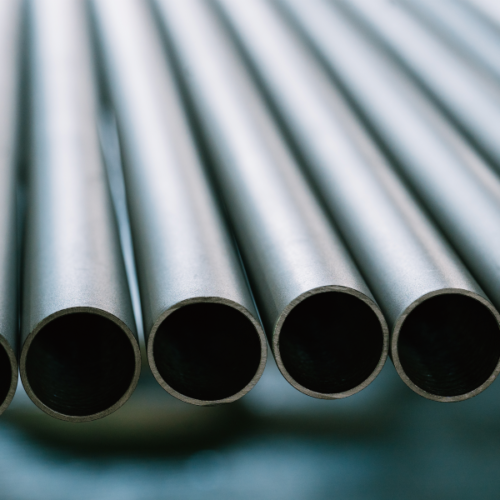
ASeamless Hastelloy B3 Pipe is produced from a solid billet through hot extrusion and precision cold drawing processes, eliminating welded seams that may become weak points in corrosive or high-pressure environments. This seamless structure ensures uniform metallurgical properties, high mechanical integrity, and long-term reliability in demanding industrial applications.
Hastelloy B3 represents a significant improvement over earlier B-series alloys, offering enhanced thermal stability, improved fabricability, and more reliable corrosion performance.
Why Choose Hastelloy B3 Instead of Hastelloy B2
The development of Hastelloy B3 addressed several fabrication and performance limitations found in Hastelloy B2 (UNS N10665).
Enhanced Thermal Stability
Earlier B-series alloys such as B2 could form brittle intermetallic phases when exposed to intermediate temperatures during welding or heat treatment.
Hastelloy B3 was specifically engineered to resist the formation of these phases, maintaining ductility and structural integrity during fabrication.
Reduced Embrittlement Risk
B3 significantly reduces the risk of grain boundary precipitation and embrittlement, allowing safer processing during welding, hot forming, and thermal cycling.
Improved Fabrication Performance
Due to its improved microstructural stability, Hastelloy B3 is easier to weld, form, and machine compared to B2, reducing production complexity and manufacturing costs.
Key Features and Technical Advantages
Exceptional Resistance to Reducing Acids
Hastelloy B3 offers outstanding corrosion resistance in hydrochloric acid at all concentrations and temperatures, as well as excellent resistance to:
- Sulfuric acid
- Phosphoric acid
- Organic acids
- Other strongly reducing chemical environments
Superior Thermal Stability
The alloy’s optimized chemistry minimizes the formation of brittle phases, improving resistance to:
- Stress corrosion cracking (SCC)
- Thermal embrittlement
- Microstructural degradation during welding
Strong Resistance to Chloride Environments
With a high nickel and molybdenum content (~30% Mo), Hastelloy B3 provides excellent protection against chloride-induced corrosion and stress corrosion cracking.
Uniform Structural Integrity
Seamless pipe manufacturing ensures:
- Consistent wall thickness
- Uniform grain structure
- Improved mechanical strength across the entire pipe length
Technical Specifications of Monel 400 Seamless Pipes
The high molybdenum content provides exceptional corrosion resistance in reducing environments.

Hastelloy B3 is specifically designed to maintain its strength and shape in high-stress, corrosive environments.

These physical properties highlight the material’s ability to perform reliably under a wide range of conditions.

Manufacturing Process and Quality Assurance
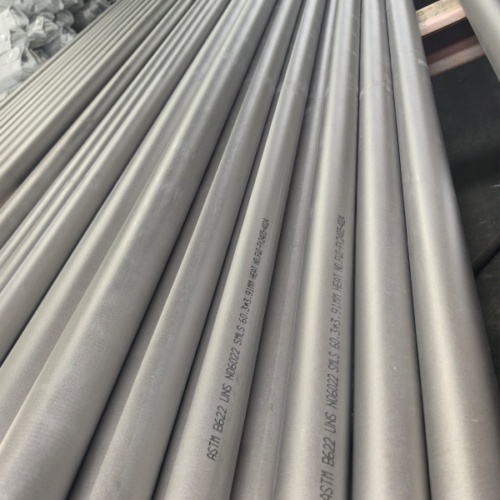
Seamless Hastelloy B3 pipes are manufactured following strict quality control procedures to comply with international standards such as ASTM B622.
Manufacturing Process
- Billet heating and hot piercing
- Precision cold drawing or pilger rolling
- Solution annealing heat treatment
- Final dimensional finishing and inspection
Quality Testing and Inspection
Each pipe undergoes comprehensive testing procedures:
- PMI Testing (Positive Material Identification)
- Non-Destructive Testing (UT and Eddy Current Testing)
- Hydrostatic pressure testing
- Mechanical testing according to ASTM standards
Certification and Documentation
Complete documentation is provided for full traceability:
- EN 10204 3.1 / 3.2 Material Test Certificates
- Third-party inspection reports from SGS, BV, ABS, or Lloyd’s
- Corrosion testing including intergranular and pitting corrosion tests
Industrial Applications of Seamless Hastelloy B3 Pipes
Due to its exceptional resistance to reducing acids and thermal stability, Hastelloy B3 is widely used in demanding industrial environments.
Chemical Processing Industry
- Production of herbicides and pesticides
- Ethylene glycol manufacturing
- Organic acid processing
Hydrochloric Acid Systems
- Pickling tank piping systems
- Acid regeneration plants
- Hydrochloric acid transfer pipelines
Pharmaceutical Manufacturing
- Chemical reactors
- High-purity heat exchangers
- Acid handling systems
Petrochemical Industry
- Alkylation units
- Acid processing systems
- Corrosion-resistant heat exchangers
Hastelloy B3 vs Hastelloy B2: Key Differences
Feature | Hastelloy B2 | Hastelloy B3 |
UNS Number | N10665 | N10675 |
Main Advantage | High molybdenum corrosion resistance | Improved thermal stability |
Embrittlement Risk | Higher during welding | Significantly reduced |
Fabrication | Requires strict temperature control | Easier welding and forming |
Standard Specification | ASTM B622 | ASTM B622 |
Is Hastelloy B3 interchangeable with B2?
In most chemical processing applications, Hastelloy B3 is considered a superior replacement for Hastelloy B2 due to its improved thermal stability while maintaining the same excellent corrosion resistance in reducing environments.