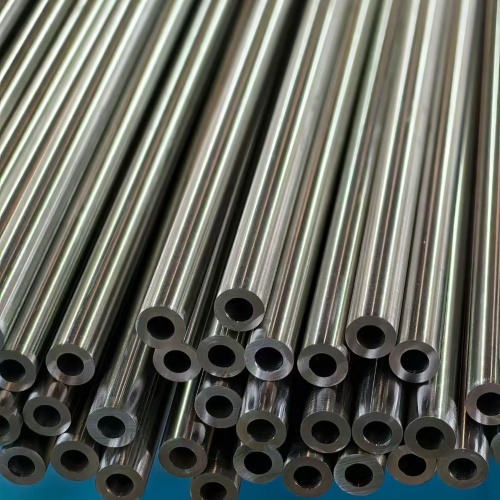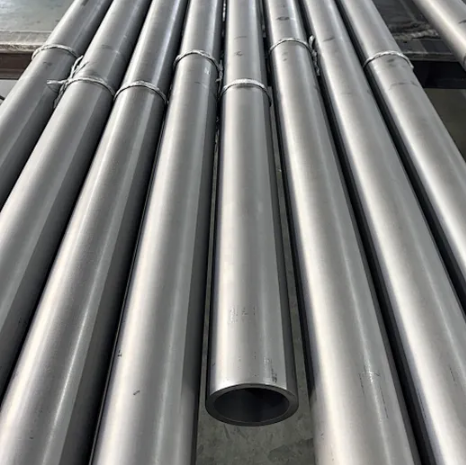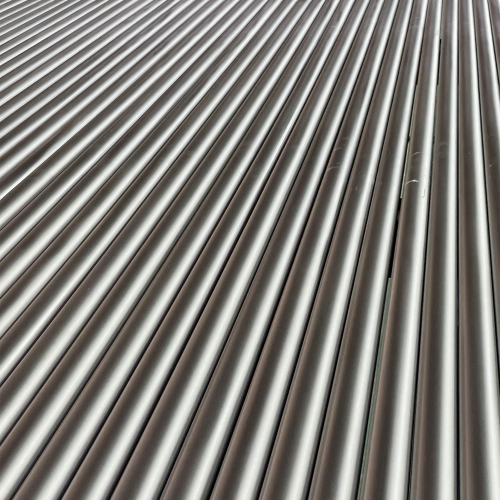
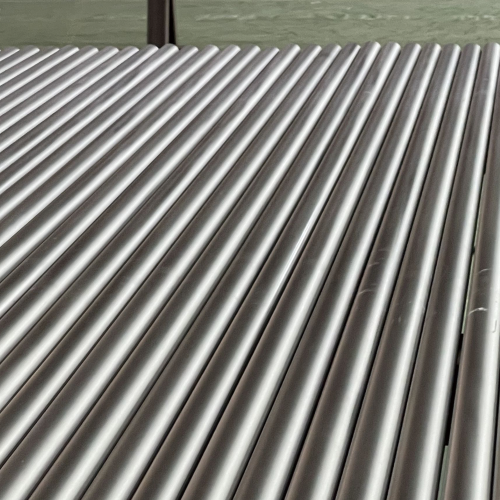
What is a Seamless Nickel 200 Tube?
A Seamless Nickel 200 tube is a high-integrity, commercially pure wrought nickel component (minimum 99.0% Ni content). Manufactured through a precision hot-piercing and cold-drawing process from a single solid billet, these tubes feature a continuous, weld-free grain structure.
This seamless architecture provides superior structural reliability and pressure containment compared to welded alternatives. Nickel 200 is globally recognized for its exceptional resistance to reducing chemicals and caustic alkalies, maintaining its mechanical integrity across a wide temperature range.
Technical Advantages & Material Properties
Seamless Nickel 200 tubing offers a distinct set of physical and chemical advantages for critical engineering:
- Exceptional Caustic Resistance: It is the premier material for handling caustic soda (NaOH) and potash, offering near-zero corrosion rates in high-concentration alkaline environments, even at boiling temperatures.
- High Ductility & Formability: With excellent malleability, Nickel 200 can be readily cold-worked, flared, and bent into complex configurations without compromising material density.
- Superior Thermal & Electrical Conductivity: Its high thermal conductivity allows for efficient heat transfer, while its low electrical resistivity makes it ideal for specialized electronic and electrochemical applications.
- Magnetic & Magnetostrictive Properties: Unlike many stainless steels, Nickel 200 is ferromagnetic, which is a key requirement for certain sensor and electronic housing applications.
- Weld-Free Pressure Safety: The elimination of a longitudinal seam ensures uniform wall thickness and removes the”Heat Affected Zone”(HAZ), maximizing safety in high-pressure fluid transport.
Product Specifications and Data
To provide a comprehensive overview of this high-performance material, here are the detailed technical specifications and performance data for Nickel 200.
The composition of Nickel 200 is carefully controlled to achieve its superior properties.

Nickel 200 is specifically designed to maintain its strength and shape in various operating environments.

These physical properties highlight the material’s ability to perform reliably under a wide range of conditions.

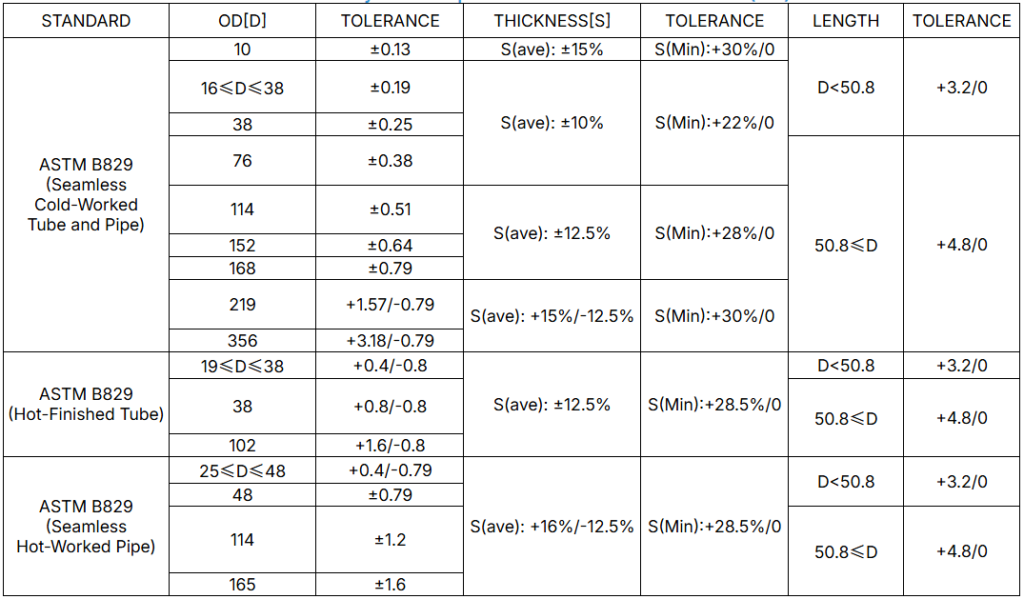
The Standard of Seamless Nickel Alloy Tube or Pipe ASTM B829 Size Tolerance Chart (mm)
Common Industrial Applications
The unique electrochemical profile of Nickel 200 seamless tubes makes them indispensable in several high-purity sectors:
Chemical & Petrochemical Processing
Essential for the production and handling of caustic alkalies, chlorine, and hydrogen chloride.
Food & Synthetic Fiber Production
Used to maintain product purity in the processing of fats, oils, and viscose rayon where contamination must be avoided.
Marine & Saltwater Engineering:
Provides reliable service in distilled water and moving seawater environments.
Electronics & Aerospace
Used for battery components, lead wires, and electronic tube parts due to its conductivity and magnetic properties.
The Precision Manufacturing Process
To ensure the highest metallurgical standards, Nickel 200 seamless tubes undergo a multi-stage fabrication sequence:
- Billet Preparation: High-purity Nickel 200 billets are heated to optimal forging temperatures.
- Rotary Piercing: The heated billet is pierced by a mandrel to create a high-quality”hollow”without any welding.
- Cold Drawing / Pilgering: The hollow shell is precision-drawn through dies to reach the exact outer diameter (OD) and wall thickness specifications.
- Controlled Annealing: The tubing is heat-treated in a controlled atmosphere to restore ductility and achieve a uniform grain size.
- Strict Quality Control: Every tube is subjected to Non-Destructive Testing (NDT), including Eddy Current or Hydrostatic testing, to ensure zero-defect performance in the field.
- Technical Comparison: Nickel 200 vs. Nickel 201
- While both grades are commercially pure nickel, the primary difference lies in their carbon content. Understanding this distinction is vital for high-temperature structural integrity.

- Technical Insight: If your application involves temperatures exceeding 600°F (315°C), Nickel 201 is the mandatory choice to prevent graphitization—a process where carbon precipitates as graphite, leading to severe embrittlement and material failure.