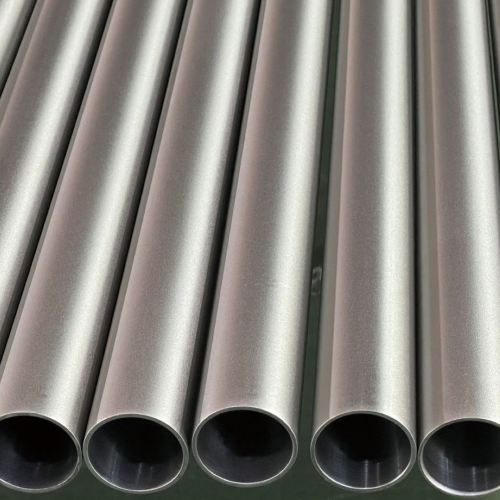
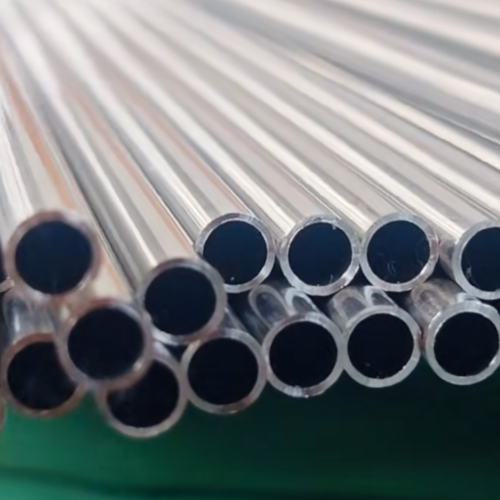
What is a Seamless Monel 400 Tube?
SeamlessMonel 400 tubes, also known as UNS N04400 tubes or Alloy 400 tubing, are high-performance nickel-copper alloy tubes manufactured from a solid billet using hot extrusion or rotary piercing processes.
Unlike welded tubing, the seamless manufacturing process eliminates weld seams, ensuring superior structural integrity, consistent wall thickness, and improved reliability in high-pressure and corrosive service environments.
Monel 400 (UNS N04400) is a solid-solution strengthened nickel-copper alloy containing approximately 63–70% nickel and 28–34% copper. This alloy is widely recognized for its exceptional resistance to seawater corrosion, hydrofluoric acid (HF), and sulfuric acid, making it one of the most reliable materials for marine and chemical processing applications.
Due to its excellent mechanical strength and corrosion resistance over a wide temperature range, ASTM B163 Monel 400 seamless tubes are widely used in industries requiring high durability and long service life.
Key Features and Engineering Advantages of Monel 400 Tubes
Excellent Seawater Corrosion Resistance
Monel 400 exhibits outstanding resistance to rapidly flowing seawater and brackish water environments. It also demonstrates high resistance to chloride-induced stress corrosion cracking, making it ideal for marine engineering applications.
Wide Temperature Operating Range
Monel 400 maintains excellent mechanical properties from cryogenic temperatures to approximately 1000°F (538°C) without significant loss of strength or toughness.
Exceptional Chemical Stability
The alloy performs extremely well in reducing environments, including:
- Hydrofluoric acid (HF)
- Alkaline solutions
- Neutral and mildly acidic environments
Low Magnetic Permeability
Monel 400 has very low magnetic permeability, making it suitable for applications requiring non-magnetic materials, such as electronic instrumentation and sensitive equipment.
High Pressure Resistance
The seamless tube manufacturing process ensures uniform wall thickness and superior structural consistency, allowing Monel 400 tubing to handle higher working pressures compared with welded tubes.
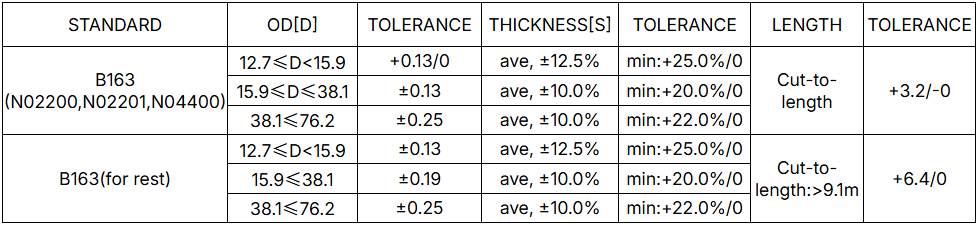
Product Specifications and Data
To provide a comprehensive overview of this high-performance material, here are the detailed technical specifications and performance data for Monel 400.
The composition of Monel 400 is balanced to provide a blend of corrosion resistance and high strength.

Monel 400 is designed to maintain its strength and shape in high-stress applications.

These physical properties highlight the material’s ability to perform reliably under a wide range of conditions.

Industrial Applications of Monel 400 Tubes
Due to its excellent resistance to seawater and corrosive chemicals, Monel 400 seamless tubing is widely used across multiple industries.
Marine Engineering
Monel 400 is extensively used for:
- Seawater piping systems
- Pump and propeller shafts
- Marine heat exchangers
- Desalination plant equipment
Oil and Gas Industry
In offshore and refinery environments, Monel 400 tubes are commonly used in:
- Sour gas service equipment
- Crude oil distillation units
- Splash zone protection systems
Chemical Processing Industry
Monel 400 performs exceptionally well in hydrofluoric acid (HF) environments, making it ideal for:
- HF alkylation units
- Salt production equipment
- Acid handling systems
Power Generation Industry
The alloy is also used in:
- Boiler feedwater heaters
- Steam generator tubing
- High-pressure heat exchangers
Quality Assurance and Compliance Testing
o ensure reliability and compliance with international standards, each batch of Monel 400 seamless tubes undergoes comprehensive testing procedures.
Material Certification
Material Test Certificates (MTC) are provided according to EN 10204 3.1 or 3.2 standards.
Positive Material Identification (PMI)
100% PMI testing verifies the chemical composition of the alloy.
Non-Destructive Testing (NDT)
Common inspection methods include:
- Ultrasonic Testing (UT)
- Eddy Current Testing (ET)
- Hydrostatic Pressure Testing
Mechanical Testing
Additional testing may include:
- Impact testing
- Flattening tests
- Flaring tests
- Grain size analysis
Third-Party Inspection
Independent inspection services from organizations such as SGS, TÜV, and Lloyd’s Register can be provided upon request.